


Europa Metals Ltd
  • Home
  • Antimony
    • Why Antimony
    • Europe’s Supply
  • Corporate
    • Company Overview
    • Board of Directors
    • Company Structure
    • Corporate Governance
  • Projects
    • Kreuzeck West
    • Kreuzeck East
    • Goldeck-Siflitz
    • Schellgaden
    • Leogang
  • Investors
    • Capital Structure
    • Share Registry and Principal Advisers
    • ASX Announcements
    • Annual Reports
    • Quarterly Reports
    • Half Yearly Reports
    • Prospectus
  • Contact
  • Menu Menu

Why Antimony

A critical material for modern industry

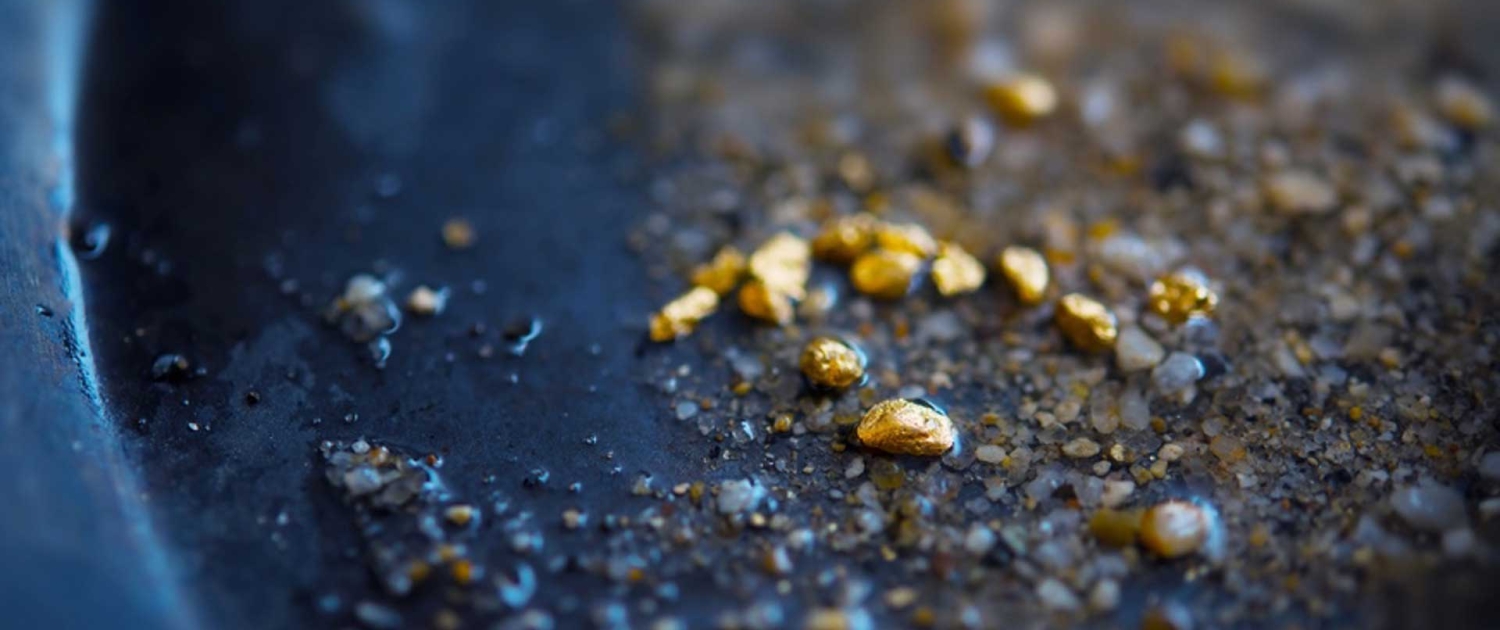
Antimony is a silver-grey metalloid used in a range of industrial, technological and defence applications. It is most commonly obtained from stibnite ore and processed into antimony metal or antimony trioxide.

The European Union classifies antimony as a critical raw material because of its economic importance and the risks associated with its supply.

Where antimony is used

Antimony is used across several important industries:

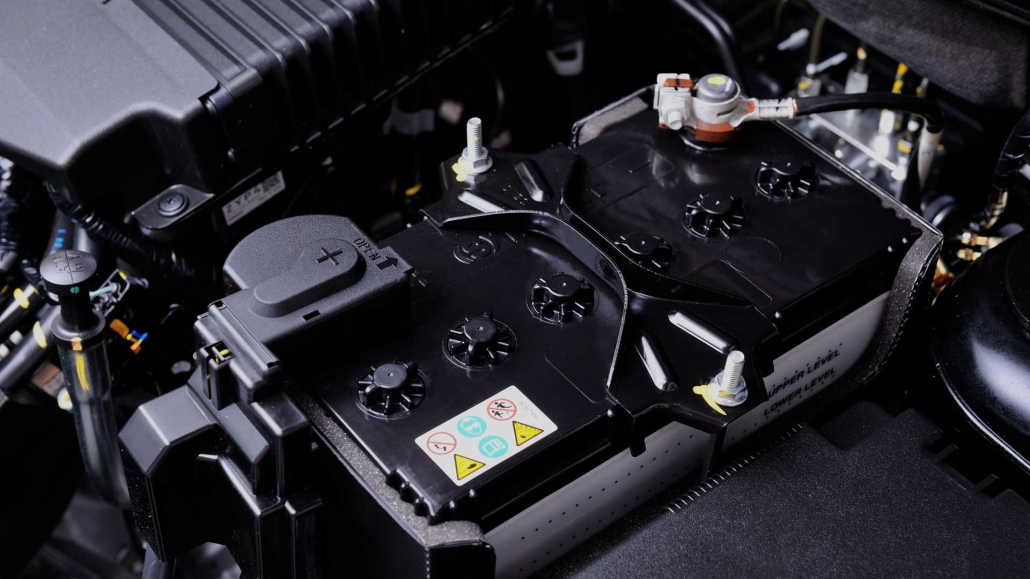
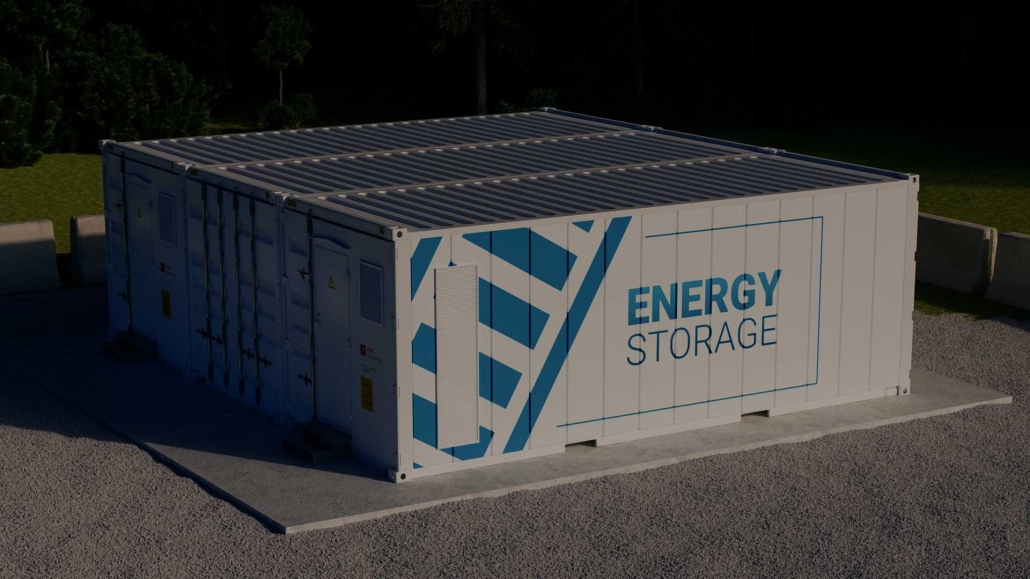
  • Energy storage: Metallic antimony is used in lead-acid batteries and is also relevant to developing battery technologies.
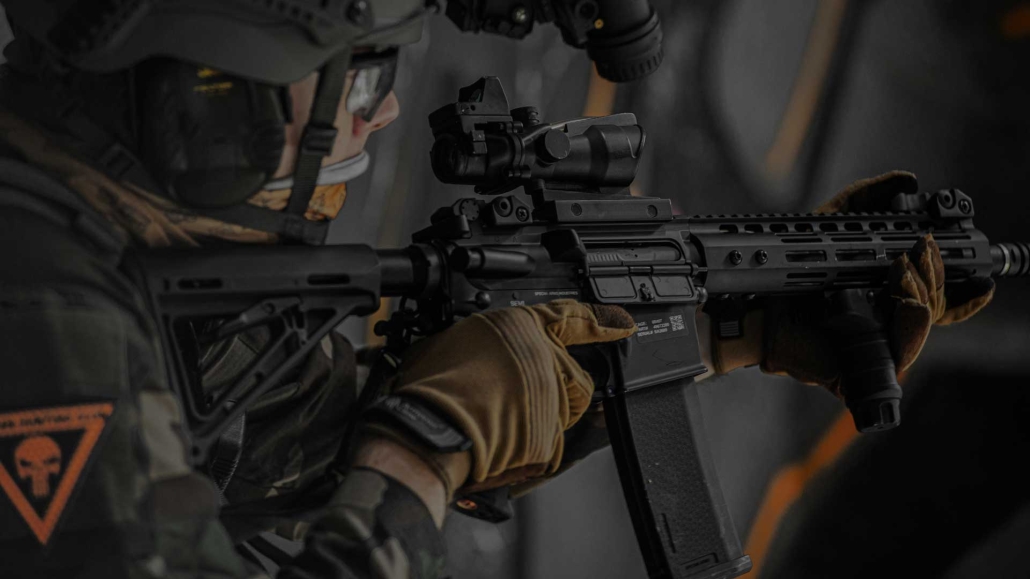
  • Defence and aerospace: Applications include ammunition, night-vision equipment, infrared technology and precision optics.
  • Fire safety: Antimony trioxide is widely used as a synergist in flame-retardant systems for plastics, textiles and other materials.
  • Electronics: Antimony is used in semiconductors, electronic cabling, infrared sensors and other specialised components.
  • Alloys: It can be added to lead and other metals to improve hardness and durability.
  • Glass, ceramics and plastics: Antimony compounds are used in manufacturing processes, including as catalysts and additives.

Why supply matters

Access to antimony begins with mining and processing. Stibnite ore may be processed into metallic antimony or antimony trioxide, while some antimony is recovered through recycling, including from spent lead-acid batteries.

Supply disruptions at any stage—from extraction and refining to international trade—can affect manufacturers that depend on antimony products. The concentration of global production and processing among a limited number of countries makes supply diversity an important consideration for European industry.

Antimony in Europa Metals’ portfolio

Europa Metals’ Austrian portfolio includes three priority exploration projects within the Kreuzeck-Goldeck gold-antimony corridor: Kreuzeck West, Kreuzeck East and Goldeck-Siflitz.

These projects contain historical workings and reported occurrences of antimony, gold and associated sulphide mineralisation. The proposed exploration program is intended to apply modern geological, geochemical and geophysical techniques to identify and assess exploration targets.

Europa Metals’ projects are at the exploration stage. No current Mineral Resource or Ore Reserve has been presented, and there is no certainty that exploration will result in the definition of a resource or the development of a mine.

  • Why Antimony
  • Europe’s Supply

Contact

Tel: +61 8 9486 4036

Email: info@europametals.com

Email Alerts

Subscribe ↗︎

Europa Metals has not declared a current Mineral Resource or Ore Reserve for the project discussed here. Historical information is not reported in accordance with the JORC Code and has not been independently verified to the standard required for a modern resource statement. Exploration success, metallurgical recovery, environmental acceptability, title, permitting, financing, project development and commercial sales are uncertain. References to EU or Austrian critical-raw-material policy do not imply Strategic Project status, funding, approval or endorsement.

Scope: EU-27 unless stated otherwise. Legal status and project status at 28 July 2024.

© Copyright - Europa Metals Ltd - Website by Web and Print Design
Scroll to top Scroll to top Scroll to top